




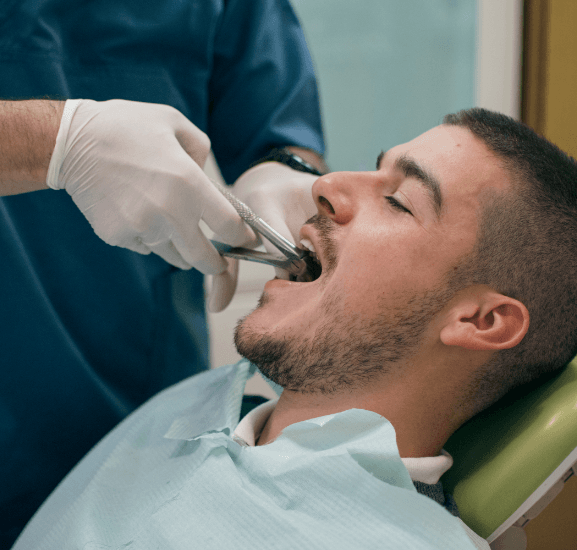
Tooth extraction aftercare starts with protecting the blood clot that forms in the empty socket. For the first 24 hours, avoid vigorous rinsing, spitting, straws, smoking, and strenuous activity. Eat soft foods, follow your dentist’s cleaning instructions, and watch for pain or swelling that worsens instead of improving. Many people feel considerably better within a week after a simple extraction.
Recovery depends on the tooth removed, the procedure, and your overall health. Your dentist’s instructions should always take priority over general advice.
The First 24 Hours After a Tooth Extraction
The blood clot protects the healing socket. Early care focuses on controlling bleeding, limiting swelling, and leaving that clot undisturbed.
Control Bleeding
Bite firmly on the gauze placed by your dentist for the recommended time. If bleeding continues, replace it with clean, folded gauze and maintain steady pressure for another 30 minutes. Slight oozing or pink saliva can occur during the first day or two. Contact your dentist if bleeding remains heavy or continues despite an hour of firm pressure.
Manage Pain and Swelling
For at least the first 24 hours:
- Do not spit or rinse forcefully.
- Avoid drinking through a straw.
- Do not smoke or vape; ask your dentist when it is safe to resume.
- Keep your tongue and fingers away from the socket.
- Skip heavy lifting, sports, and strenuous exercise.
These precautions help limit bleeding and reduce the chance of disturbing the clot. The American Association of Oral and Maxillofacial Surgeons (AAOMS) also recommends rest, careful oral hygiene, and soft foods after extraction.
Tooth Extraction Healing Timeline: Day by Day
Healing varies, but this timeline describes common changes after an uncomplicated extraction.
| Time | What You May Notice | What to Do |
|---|---|---|
| Day 1 | Numbness fades; mild bleeding and soreness | Use gauze as instructed, rest, eat soft foods |
| Days 2–3 | Tenderness and swelling may peak | Continue soft foods; begin gentle rinses if approved |
| Days 4–7 | Pain and swelling usually improve | Gradually reintroduce foods you can chew comfortably |
| Weeks 1–2 | New gum tissue continues forming; surgical sites may remain tender | Keep the area clean without disturbing it |
| Following weeks | Deeper tissue and bone continue healing | Attend follow-up visits when advised |
Pain and tenderness are usually more noticeable during the first few days and gradually improve as the area heals. Recovery may take longer after surgical or wisdom tooth removal. If the pain becomes worse instead of better, especially after initial improvement, contact your dentist.
What to Eat After a Tooth Extraction
Choose cool or lukewarm foods that require little chewing, and eat on the opposite side when possible.
Soft Foods That Are Easier to Eat
- Yogurt, pudding, or applesauce
- Smoothies eaten with a spoon
- Lukewarm soup or broth
- Mashed potatoes or sweet potatoes
- Scrambled eggs
- Soft pasta, cooled oatmeal, or tender fish
Foods and Drinks to Avoid
- Hot drinks or food while numb: You may burn or bite yourself without realizing it.
- Chips, nuts, and popcorn: Hard pieces can irritate the socket.
- Seeds and crumbly foods: Small particles may become trapped near the wound.
- Spicy or acidic foods: They may cause stinging.
- Alcohol: It may interfere with healing or interact with prescribed medication.
When Can You Eat Normally Again?
Many patients gradually resume their usual diet within about a week after a simple extraction. Return to firmer foods only when chewing feels comfortable. Wisdom tooth surgery or a complicated extraction may require a longer period of soft foods.
How to Clean Your Mouth After Extraction
Continue cleaning the rest of your mouth, but avoid brushing directly into the socket. After the first day, resume gentle brushing near the area according to your dentist’s instructions.
Your dentist may advise warm salt-water rinses beginning after 24 hours. Move the water gently rather than swishing vigorously, then let it fall from your mouth instead of forcefully spitting. Avoid inserting toothbrush bristles, toothpicks, or other objects into the healing socket.
What Is Dry Socket and How Can You Prevent It?
Dry socket, also called alveolar osteitis, occurs when the protective blood clot breaks down or becomes dislodged too early, leaving underlying bone and nerves exposed. The American Dental Association describes it as a painful condition that sometimes follows an extraction.
Signs of Dry Socket
According to MedlinePlus, severe pain from dry socket usually begins 1 to 3 days after the tooth is removed. Other signs can include:
- Severe, throbbing pain that worsens rather than settles
- Pain spreading toward the ear, temple, or jaw
- An empty-looking socket or visible bone
- Bad breath or an unpleasant taste
- Pain that remains severe despite recommended relief
A socket’s appearance alone cannot confirm dry socket. A dentist can distinguish it from infection or other healing problems.
Who Is More Likely to Develop It?
Smoking is an important risk factor. A 2022 systematic review reported dry socket in approximately 13.2% of smokers compared with 3.8% of nonsmokers across the included studies. Avoid tobacco during recovery and follow your dentist’s restrictions on straws and vigorous rinsing.
How Is Dry Socket Treated?
Your dentist may gently clean the area, place a soothing medicated dressing, and recommend appropriate pain relief. Do not try to scrape the socket or flush it aggressively yourself. Contact your dental team if you suspect dry socket.
Normal Healing vs. When to Call Your Dentist
| Usually Part of Healing | Contact Your Dentist Promptly |
|---|---|
| Light pink saliva or minor oozing | Heavy bleeding that continues despite firm pressure |
| Swelling that peaks and then improves | Swelling that keeps increasing or spreads |
| Soreness that gradually eases | Severe or worsening pain after the first few days |
| Pale tissue developing around the socket | Pus, fever, or a persistent foul taste with worsening symptoms |
| Mild jaw stiffness | Persistent numbness beyond the expected anesthetic effect |
Seek emergency medical care immediately for trouble breathing or swallowing, rapidly spreading swelling, or uncontrolled severe bleeding. For worsening pain or suspected infection without these emergency symptoms, contact your dentist for an evaluation.
Special Situations That May Affect Recovery
After Wisdom Tooth Removal
An impacted or surgically removed wisdom tooth may cause more swelling, jaw stiffness, and a longer recovery than a straightforward extraction. Follow any additional instructions about stitches, cleaning, or follow-up visits.
If You Take Blood Thinners
Tell your dentist about every medication and supplement you take before treatment, including over-the-counter aspirin. Blood thinners can make bleeding take longer to stop, so your dentist may plan extra steps to control it at the extraction site. Your dentist can coordinate with your medical clinician if any changes are needed.
If You Plan to Replace the Missing Tooth
A missing tooth can affect how you chew, and nearby teeth may gradually shift into the gap. Once the socket has healed, ask your dentist about options for replacing a missing tooth, such as a bridge, denture, or implant. Replacement planning should not interrupt early socket care.
Frequently Asked Questions
When can I use a straw after a tooth extraction?
Avoid straws for at least the first 24–48 hours and longer if your dentist advises, especially after surgical extraction. Suction may disturb the clot.
When can I drink coffee after a tooth extraction?
Wait until the numbness has worn off. During early recovery, let coffee cool to lukewarm and follow any additional restrictions from your dentist.
Is a white or yellow film in the socket normal?
A pale layer may be part of normal healing. Do not pick at it. Worsening pain, swelling, pus, fever, or a persistent bad taste warrants an examination.
When can I return to work or exercise?
Many people return to light activities within a day or two after a simple extraction. Physical work, vigorous exercise, and surgical procedures may require more rest. Follow your dentist’s guidance.
Final Thoughts
Recovery after a tooth extraction is usually gradual, with discomfort and swelling improving over the first several days. Protecting the blood clot, choosing suitable foods, and keeping the area clean can support healing.
Pay attention to changes in your symptoms rather than expecting every day to follow an exact timeline. If pain, bleeding, or swelling becomes worse instead of improving, contact your dentist for an evaluation.
This article provides general information and does not replace personalized instructions or an examination by your dentist.
