




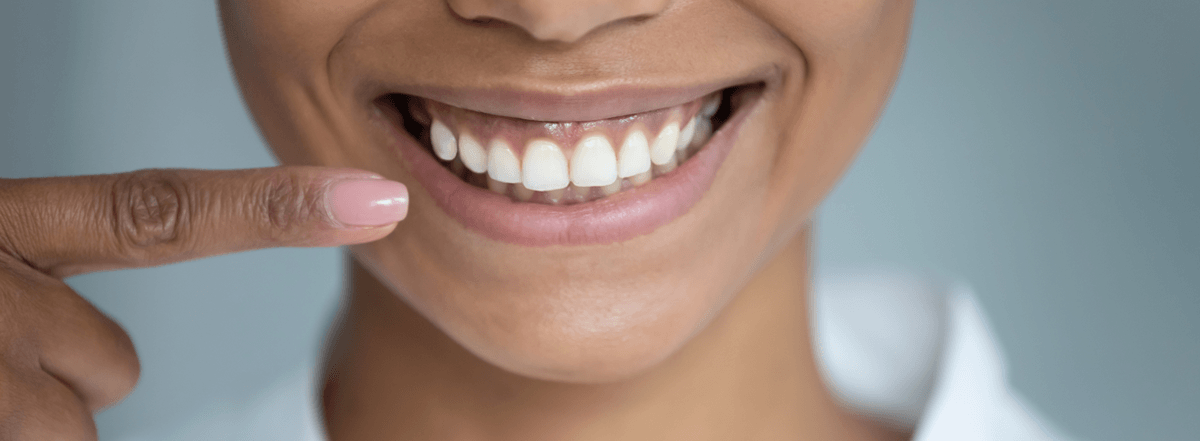
A brighter smile is a common cosmetic goal, but choosing the right whitening method is not always straightforward. Professional teeth whitening and store-bought whitening kits can both help reduce stains and discoloration, but they differ in strength, speed, supervision, results, and cost. Professional whitening is typically more expensive because it is performed or supervised by a dental professional, while store-bought products provide a more affordable at-home option.
The better choice depends on the type and severity of discoloration, tooth sensitivity, existing dental work, overall oral health, budget, and how quickly you want results.
Why Teeth Become Stained
Teeth can become discolored for different reasons. Some stains develop on the outer enamel, while others form deeper within the tooth. The cause and type of discoloration can affect how well whitening treatment works.
Common Causes of Tooth Staining
- Foods and drinks: Coffee, tea, red wine, and other strongly pigmented foods and beverages can gradually stain the enamel.
- Tobacco use: Smoking and other tobacco products can contribute to yellow or brown surface staining.
- Natural aging: Enamel can become thinner and more translucent over time, allowing the naturally yellowish dentin underneath to become more visible.
- Dental trauma: An injury may cause internal changes that make a tooth appear darker or gray.
- Certain medications: Some medications, particularly when used while teeth are developing, can cause discoloration within the tooth structure.
Identifying the cause of discoloration is important because not all stains respond equally to whitening. Crowns, veneers, fillings, and bonding also do not whiten in the same way as natural teeth.
How professional whitening works
Professional teeth whitening is carried out under a dentist’s supervision using clinical-grade whitening products to help lighten stains and improve tooth color. The whitening gel moves through the enamel and breaks down stain-causing compounds within the tooth, helping the natural teeth appear lighter.
- Dental examination: Your dentist checks your teeth and gums to confirm that whitening is suitable and considers sensitivity, restorations, and the type of discoloration.
- Gum protection: A protective barrier is placed over the gums and surrounding soft tissues.
- Whitening gel application: The gel is carefully applied to the teeth and left in place for a controlled amount of time.
- Treatment monitoring: Your dentist monitors your comfort and may adjust the treatment if sensitivity or irritation occurs.
- Aftercare guidance: You receive advice on managing temporary sensitivity and helping the results last longer.
Important: Whitening changes the color of natural teeth only. Crowns, veneers, fillings, and dental bonding will retain their existing shade.
How Store-Bought Whitening Products Work
Store-bought whitening products provide a convenient way to explore at-home teeth whitening options. Depending on the product, they may use peroxide-based ingredients to lighten tooth color or polishing agents to help remove surface stains. Results can vary based on the type of discoloration, product strength, and how consistently it is used.
Common Store-Bought Whitening Options:
- Whitening strips: Peroxide-based gel is applied to thin strips that are placed over the teeth for a specified period. With regular use, they may gradually lighten tooth color.
- Whitening gels and tray kits: Whitening gel is placed in a ready-made tray that fits over the teeth. These products can treat several teeth at once, although tray fit and gel coverage may vary.
- Whitening toothpastes: These products mainly help remove surface stains through polishing or mild abrasive ingredients rather than significantly changing deeper tooth color.
- Whitening pens: Whitening gel is applied directly to selected tooth surfaces. They are convenient for targeted use, although coverage and contact time can affect results.
What to Keep in Mind
Store-bought whitening products can help with surface stains, but results vary. Overuse may cause temporary sensitivity or gum irritation, so always follow the product instructions.
Whitening also does not change the color of crowns, veneers, fillings, or bonding.
Professional Teeth Whitening vs Store-Bought Whitening Kits: Key Differences
Professional and store-bought whitening can both reduce discoloration, but they differ in speed, supervision, customization, results, and cost. The better option depends on your oral health, sensitivity, whitening goals, and the type of staining.
| Factor | Professional Whitening | Store-Bought Whitening Kits |
|---|---|---|
| Effectiveness | Often provides more noticeable and controlled results, although outcomes depend on the type of discoloration. | Can improve mild to moderate staining, but results are usually more gradual and may vary between users. |
| Speed | Results may be noticeable after one visit or a short dentist-supervised treatment plan. | Usually requires repeated use over several days or weeks. |
| Customization | Treatment can be adjusted for tooth color, sensitivity, restorations, and individual dental needs. | Use a standard formula and fit that is not customized for your teeth. |
| Safety & Supervision | A dentist can assess your oral health, protect your gums, and monitor your treatment. | Designed for at-home use, but incorrect or excessive use may increase sensitivity or gum irritation. |
| Sensitive Teeth | Whitening strength, application time, or treatment approach can sometimes be adjusted if sensitivity occurs. | There is less flexibility beyond reducing the frequency of use or stopping treatment. |
| Cost | Usually more expensive because treatment is provided or supervised by a dental professional. | Generally, more affordable upfront, although repeated purchases can increase the total cost. |
| Existing Restorations | A dentist can identify crowns, veneers, fillings, or bonding and explain how they may affect the final shade. | Whitening products do not change the color of restorations, which may remain a different shade from natural teeth. |
Professional whitening generally offers faster, more controlled treatment, while store-bought kits provide a convenient and more affordable option for mild staining. The most appropriate choice depends on your individual dental needs.
Which Teeth Whitening Option Is Right for You?
The right whitening option depends on your oral health and level of staining. Store-bought products may suit mild stains, while professional whitening is often better for dental concerns or deeper discoloration.
Professional Whitening May Be Right for You If You:
- Have moderate to severe tooth discoloration that store-bought products are unlikely to improve.
- Want faster, more noticeable whitening results.
- Have sensitive teeth, gum disease, tooth decay, or other oral health concerns that should be assessed before whitening.
- Have crowns, veneers, fillings, or other dental restorations and need professional advice before treatment.
- Are unsure what is causing your tooth discoloration and want a personalized treatment recommendation.
Store-Bought Whitening Products May Be Suitable If You:
- Have healthy teeth and gums.
- Have mild surface stains from coffee, tea, wine, or certain foods.
- Prefer a lower-cost whitening option.
- Want occasional touch-ups after previous whitening treatment.
Store-bought whitening products may improve mild surface stains but are generally less effective for deeper discoloration than professional whitening.
If you have healthy teeth and mild staining, a store-bought kit may be suitable. For stubborn stains, existing dental concerns, or more noticeable results, consult a dentist before whitening.
Tips for Maintaining a Brighter Smile
Whitening results naturally fade over time, but everyday habits can influence how quickly stains return. To help maintain your results:
- Avoid prolonged sipping: Limit how long staining drinks stay in contact with your teeth.
- Manage dry mouth: Good saliva flow helps naturally rinse away food particles and staining residue.
- Avoid overly abrasive products: Aggressive whitening toothpastes may contribute to enamel wear and sensitivity.
- Plan whitening touch-ups carefully: Follow your dentist’s or product’s guidance rather than whitening too frequently.
- Maintain consistent oral hygiene: Regular brushing and flossing help prevent plaque and surface buildup that can make teeth look dull.
Consistent oral care and limiting new stains can help whitening results last longer while keeping your teeth healthy.
Conclusion
Professional whitening offers faster, more controlled results, while store-bought kits may suit mild staining and lower budgets. The right choice depends on your oral health, existing dental work, and whitening goals.
Creative Smiles Dental Care can assess your needs and recommend the most suitable whitening option for a brighter, healthier-looking smile.
